Blog

The Marksman’s Maintenance Guide

Inertia Shotgun Reliability and Lubrication

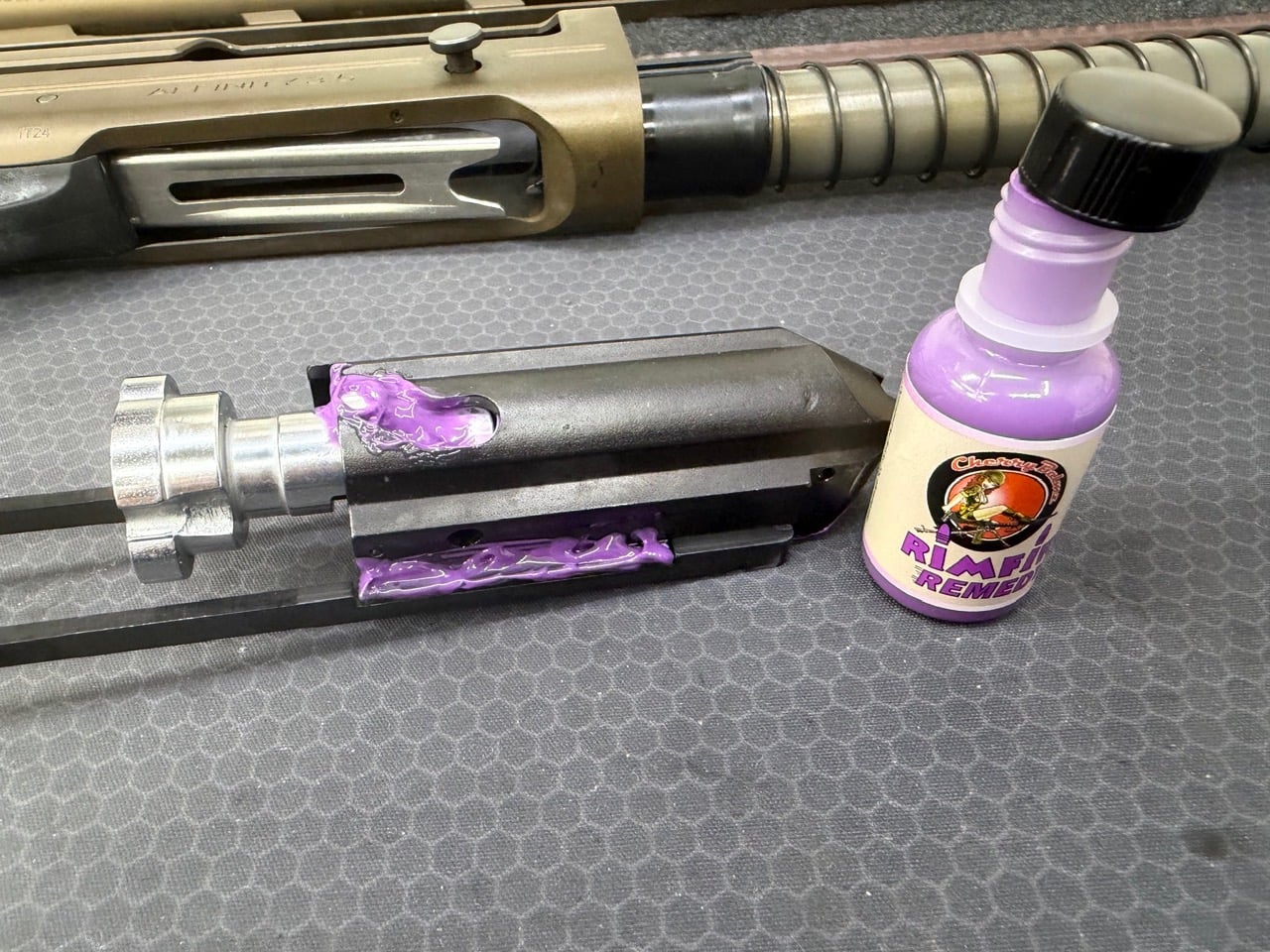
Inertia-driven shotguns are light, clean-running, and beautifully simple—but that simplicity comes with a unique reliability challenge. Unlike gas- or recoil-operated shotguns, an inertia gun depends on the movement of the entire firearm to cycle. That gives it a narrower Window of Reliability, where ammunition, shooter technique, friction, and even lubrication can determine whether the action runs—or short-strokes. And here’s where things get interesting: lubricating an inertia shotgun like any other semi-auto isn’t necessarily the best approach. Our testing found that inertia guns operate in an energy range closer to rimfires than many other semi-auto shotguns. That changes not only what lubricant works best, but where you should—and shouldn’t—put it.

How to Lube an AR for Maximum Reliability

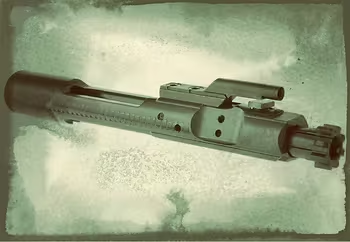
Knowing how to lube an AR correctly is the difference between flawless reliability and frustrating malfunctions. Examine your guns in terms of “friction surfaces” – when this becomes habit, guns reveal nearly all of their operational and reliability secrets, and it tells you exactly where to lube, even on guns new to you.

Secrets of 1911 Reliability – How to Lube for Maximum Performance

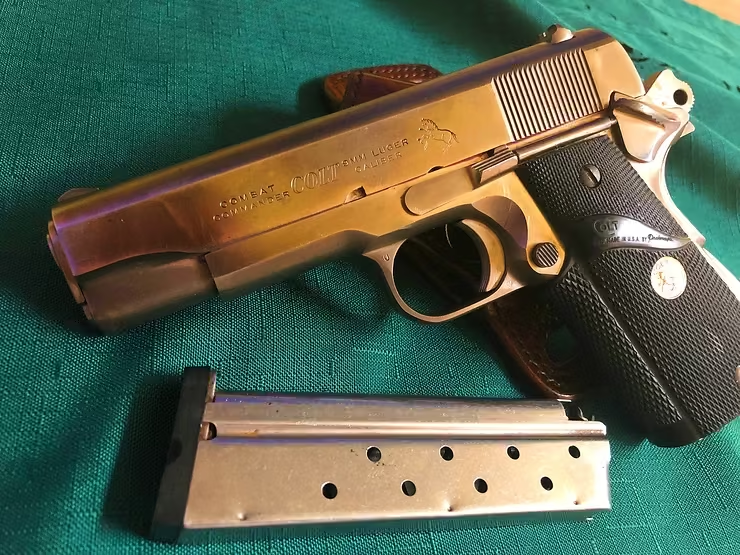
The 1911’s reputation for being “finicky” isn’t about design—it’s about lubrication. When you understand friction surfaces, you unlock its true reliability. Here’s how to lube your 1911 the right way, using real tribology.

Cold Weather Shooting, Lubes, and Gun Preparation

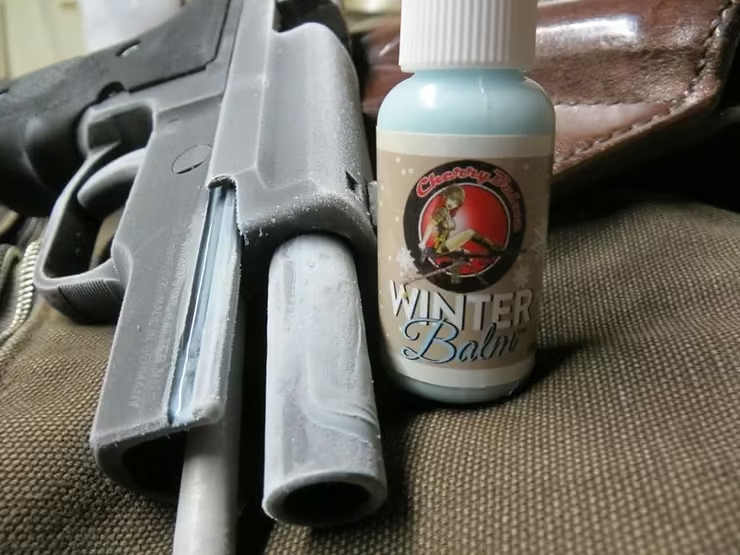
Cold weather is one of the harshest tests of firearm reliability, and mastering it comes down to proper gun prep, choosing the right lube, and knowing how to operate in freezing conditions.